Choosing the right web hosting is a crucial step for startups and small businesses building an online presence. The hosting solution selected can impact website speed, uptime, security, and scalability. Understanding different hosting options helps businesses choose a solution that supports growth without unnecessary costs.
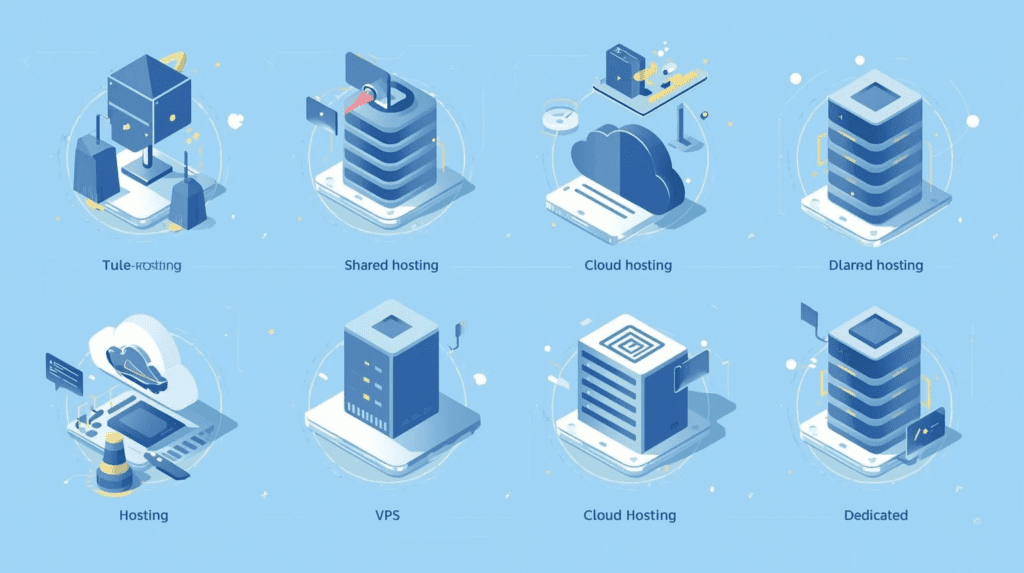
Shared Hosting for Small Websites
Shared hosting is often the starting point for startups and small businesses. It is affordable and easy to manage, making it suitable for websites with low traffic. However, since resources are shared among multiple websites, performance can be limited as traffic grows.
VPS Hosting for Growing Businesses
Virtual Private Server (VPS) hosting offers a balance between affordability and performance. It provides dedicated resources within a shared environment, giving businesses better control and stability. VPS hosting is suitable for startups that have outgrown shared hosting but are not ready for dedicated servers.
Cloud Hosting for Scalability
Cloud hosting is a popular choice for startups that expect growth. It allows businesses to scale resources as needed without downtime. This flexibility makes cloud hosting ideal for handling unpredictable traffic patterns while maintaining consistent performance.
Features Small Businesses Should Consider
Beyond hosting type, small businesses should consider features such as uptime guarantees, customer support, security tools, and ease of use. Reliable technical support is especially important for startups without in-house technical expertise.
Final Thoughts
The best web hosting for startups depends on business needs, traffic expectations, and budget. Starting with a suitable hosting plan and upgrading as the business grows helps maintain performance and stability. Careful evaluation of hosting options ensures long-term success for small businesses.