
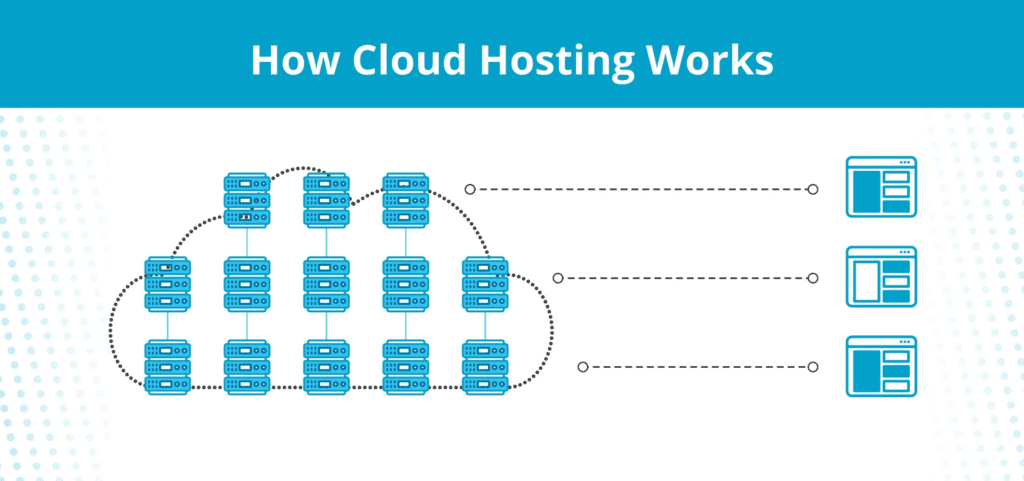
Cloud hosting has become a widely used solution for websites and online businesses looking for flexibility and reliability. Unlike traditional hosting that depends on a single server, cloud hosting uses multiple connected servers to distribute resources. While this model offers several benefits, it also comes with certain risks that users should understand before choosing it.
Scalability and Flexibility
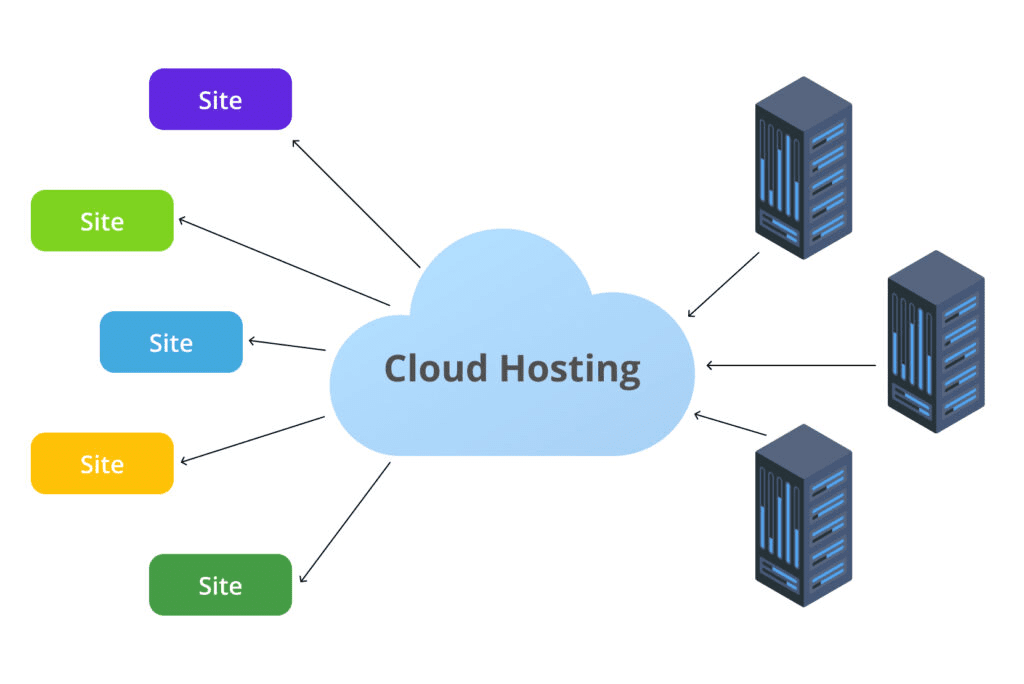
One of the biggest advantages of cloud hosting is its scalability. Websites can easily scale resources up or down depending on traffic demands. This flexibility allows businesses to handle traffic spikes without service disruption and without committing to fixed server limits.
Improved Reliability and Uptime
Cloud hosting environments are designed to reduce downtime. Since websites run on multiple servers, a failure in one server usually does not affect website availability. This setup provides better uptime and reliability compared to traditional single-server hosting.
Cost Efficiency
Cloud hosting often follows a pay-as-you-use pricing model. Instead of paying for fixed resources, users are charged based on actual usage. This makes cloud hosting cost-efficient for websites with fluctuating traffic, as users only pay for what they need.
Security Concerns
Despite its benefits, cloud hosting does introduce security risks. Data stored across multiple servers may be exposed if access controls are not properly configured. While most cloud providers offer strong security measures, users must still take responsibility for securing their accounts and data.
Limited Control and Complexity
Cloud hosting platforms can be complex for beginners. Users may have limited control over server configurations compared to traditional hosting setups. Managing cloud environments often requires technical knowledge, which can be challenging for users without experience.
Final Thoughts
Cloud hosting offers scalability, reliability, and cost flexibility, making it an attractive option for many websites. However, understanding its risks, such as security concerns and management complexity, helps users make informed decisions. Choosing cloud hosting should be based on technical requirements, budget, and long-term goals.